

COLUMBUS     |     Reynoldsburg    |     Hilliard 

CINCINNATI    |    Loveland
The Ohio Autocare logo
Auto Tires Sales, Service & Installation
OHIO Owned & Operated  CERTIFIED Mechanics


OHIO Owned & Operated

CERTIFIED Mechanics

Auto Tires Sales, Service & Installation

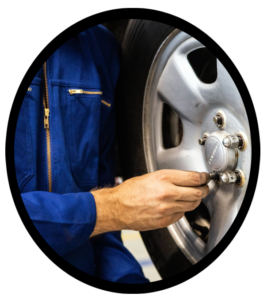
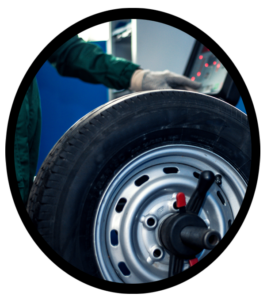
Ohio Autocare provides full-service vehicle tire and wheel sales, installation, and repair for a wide variety of national brands. In addition to tire mounting and installation, we also provide balancing, alignment and rotation.

With proper maintenance and regular tire rotations, modern automobile tires can achieve 60-70,000 or more miles, depending on driving habits, conditions and environment, as well as the quality of the tires, themselves.

Other factors can impact tire replacement, for instance, a scheduled road trip or before winter, or even the expectant lifespan of the vehicle.

Ohio Autocare is a local service shop that is familiar with the regional terrain and conditions and can provide valuable incite when your tires become aged. Call or visit in one of our convenient locations in Columbus and Cincinnati.

SCHEDULE

Tire Sales, Repair & Installation

For Tire Sales, Service and Installation for your family or fleet vehicle, Call the Ohio Autocare near you, or click the auto shop below for our convenient online scheduling app.

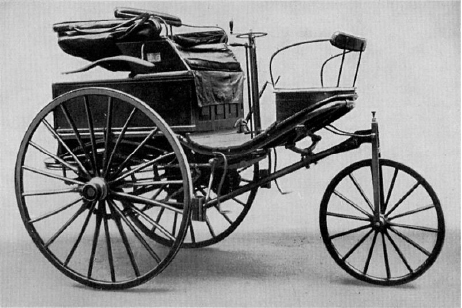
One of the first automobiles
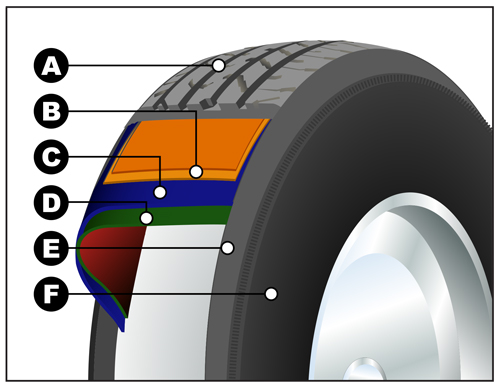
An illustration of an automobile tire

The first car took inspiration from existing modes of transportation at the time like the bicycle and covered wagon. The wheels are a prime example. Both the metal wire rim of the bicycle and the wagon’s wooden wheels were utilized on the early auto demonstrations.

A lot has changed since those early wood, straps, and rims. The pneumatic tire was later invented for the bicycle, but quickly was adapted by the blossoming automobile industry for significantly better performance on increasing horsepower. Today’s automobile tires are a series of carefully constructed layers designed to maximize durability, comfort and fuel efficiency.

A. TREAD: This is where the rubber hits the road. The tread handles traction and handling while the tread grooves dispatch of moisture.

B. BELT PLY: Commonly steel, the belt ply provides puncture resistance while enhancing the tread’s strength and fuel efficiency. Most steel-belted automobile have a minimum of two belt plies.

C. RADIAL CORD BODY: Encased in rubber, the Radial Cord Body strengthens the tire by transferring cornering forces from the tread to the wheel.

D. INNER LINING: The Inner Lining of a tire functions as an inner tube. The Inner Lining is bonded to the Radial Cords and holds the tire’s air.

E. SHOULDER: Transition from Sidewall to Tread.

F. SIDEWALL: The side of the tire and protects the Radial Cord Body.

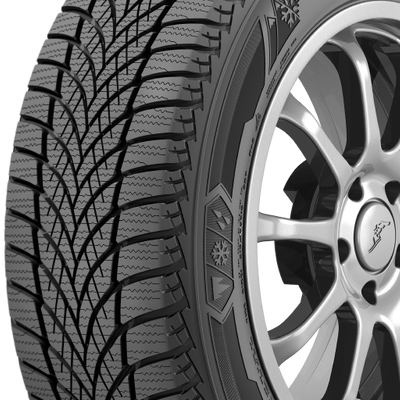
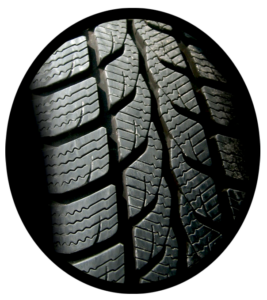
Winter tires are designed for the challenging driving conditions in colder climates. Formulated with unique rubber compounds, winter tires are able to retain their elasticity in extreme cold weather. Winter tires are molded with deeper treads and substantially more grooves and spines in the tread for greater traction in ice, snow and slush. If you have to go no matter the weather, winter tires are a good option.

Read more on Winter Tires

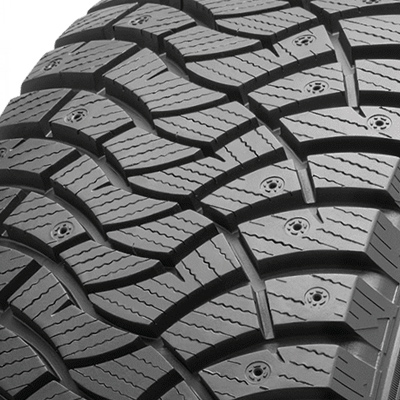
Studded Winter Tires offer the same cold, ice, and snow traction as Winter Tires but with added cavities for inserting small steel studs. When winter weather is at its worst and staying home isn’t an option, Studded Winter Tires provide excellent traction in the worst of weather. 

Read more on Studded Winter Tires

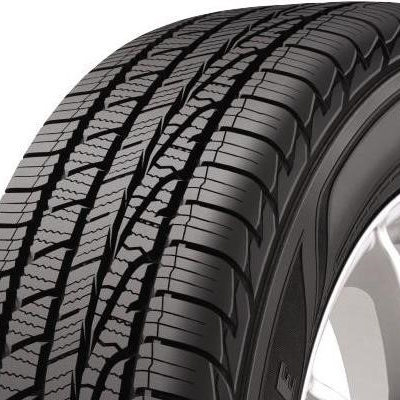
The popular All-Season Tires were well received by the buying public weary of the bi-annual switch from summer to winter tires. Nearly all automobile manufacturers place All-Season Tires on new cars while car owners are even more likely to replace these stock tires with more All-Season tires.

Read more on All-Season Tires

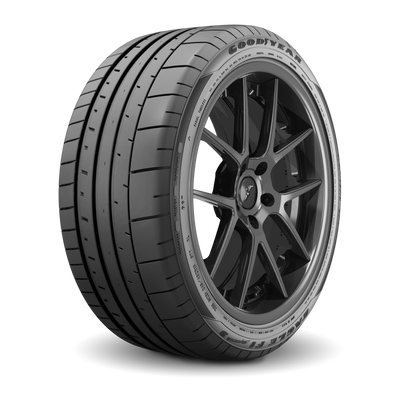
Summer tires are optimized for summer driving conditions. With less grooves and channels than other car tires, summer tires have greater surface contact area and puts more rubber on the road. They are engineered for superior road handling, cornering and braking for enhanced speed and agility while also providing superior traction in wet weather conditions. The rubber compounds of Summer Tires are not designed to perform in cold temperatures or snow and ice, so once the season is over, the Summer Tires should get switched out for tires that are better in cold weather.

Read more on Summer Tires

All Weather Tires

Marketed to perform all year long, All Weather Tires, or All

One of the newest car tire categories is the All-Weather Tire. The popular All-Season Tires performed well in suburban environments with modern snow-clearing equipment but sacrificed some performance in extreme weather patterns. All-Weather Tires were developed as a tire that could be used all year long without sacrificing durability and significantly improved performance in ice and snow, earning the 3-Peak & Snowflake designation found on dedicated winter tires.

Read more on All-Weather Tires

An automobile all-weather tire
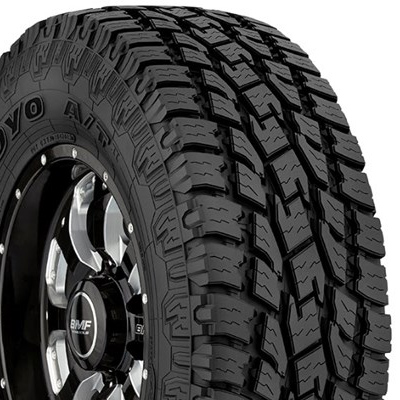
An all terrain automobile tire

All Terrain Tires

No mistaking these tires. While they will get you to the store, All Terrain tires are engineered for a more challenging surface. If your travels commonly take you off the beaten path, All Terrain tires will get you there. With deep treads and rugged construction, All Terrain tires are built for traction and durability, on four wheels or less.